
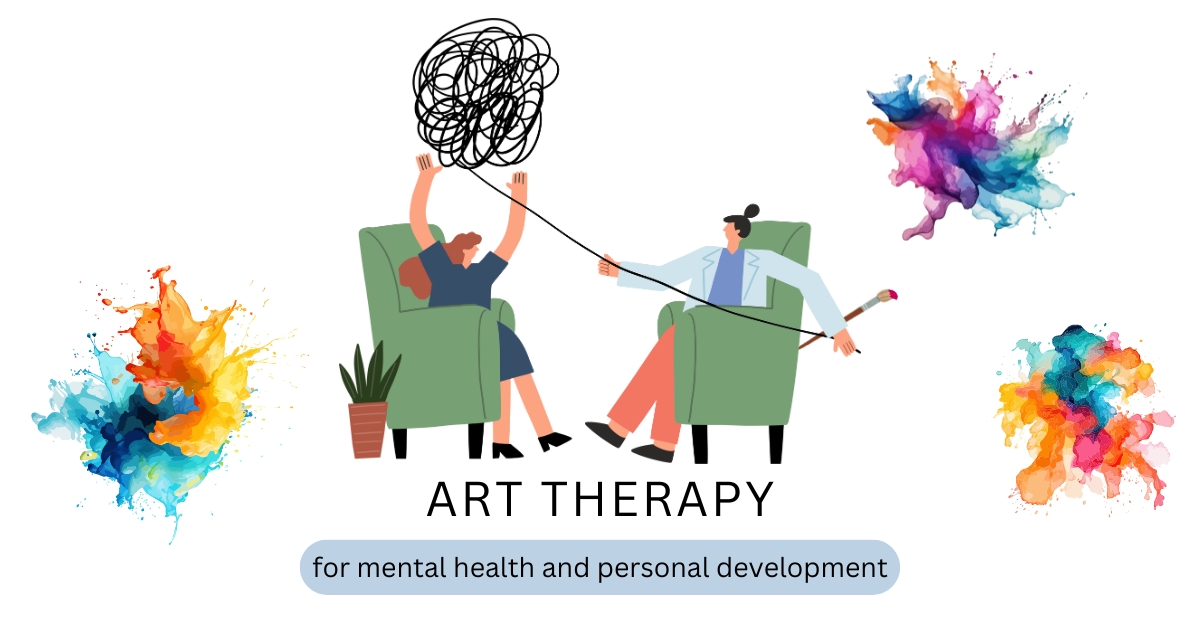
In today’s fast-paced, technology-driven modern lifestyle, the mental well-being of students is more critical than ever. Stress, anxiety, and emotional challenges have become commonplace, even among children and adolescents. As schools strive to create environments conducive to holistic growth, integrating art therapy programs can be a game-changer for mental wellness. Here’s why every school should adopt this innovative approach.
The Growing Need for Mental Health Support in Schools
According to the World Health Organization (WHO), 10-20% of children and adolescents experience mental health issues globally, yet the majority remain undiagnosed and untreated. Traditional academic setups often focus on cognitive learning while neglecting emotional well-being. This gap has led to rising rates of depression, anxiety, and burnout among students.
Enter art therapy, a scientifically-backed method that uses creative expression to foster mental health. Unlike conventional therapies, art therapy encourages students to express emotions and thoughts in a non-verbal, non-judgmental space. It’s particularly effective for those who struggle with verbal communication, such as students dealing with trauma, autism, or special needs.
How Art Therapy Works
Art therapy combines creative practices like painting, drawing, sculpting, and digital art to help students process emotions, improve self-awareness, and build resilience. Led by trained art therapists, these sessions empower students to explore their inner worlds without fear of stigma.
Key benefits include:
- Reduced Stress and Anxiety: Studies show that creating art reduces cortisol levels, the hormone associated with stress.
- Enhanced Emotional Regulation: Students learn to identify and manage their emotions through creative outlets.
- Improved Social Skills: Collaborative art projects foster teamwork and empathy.
- Boosted Self-Esteem: Completing art pieces gives students a sense of accomplishment, enhancing their confidence.
The Power of Art Therapy for Special Needs and Trauma
Children with autism, ADHD, and learning disabilities often face challenges in traditional classroom settings. Art therapy provides a sensory-friendly, flexible approach to help these students thrive. For instance, tactile activities like clay modeling improve motor skills, while free drawing fosters self-expression among non-verbal students.
Similarly, students who’ve experienced trauma—whether through bullying, family issues, or significant life changes—find art therapy a safe way to process their experiences. A groundbreaking study by the American Art Therapy Association revealed that 87% of students exposed to art therapy reported lower levels of trauma-related stress after just a few sessions.
Success Stories: Art Therapy in Action
Several schools worldwide have embraced art therapy with astounding results:
- The UK’s Anna Freud Centre integrated art therapy into schools, reporting improved emotional regulation and academic performance among students.
- In Finland, where mental health support is prioritized, schools use art therapy to complement their holistic education system, contributing to the country’s high happiness index.
- A pilot program in New Delhi, India, showed that art therapy significantly reduced exam-related anxiety among high school students.
These examples demonstrate the universal applicability and effectiveness of art therapy across cultures and educational frameworks.
Art Therapy in the Digital Age
Incorporating digital art into therapy sessions appeals to today’s tech-savvy generation. Tools like drawing tablets and online platforms make therapy more accessible and engaging. Schools can also use online courses and e-learning modules to train educators in basic art therapy practices, creating a remote education model for regions with limited resources.
Practical Steps for Schools to Implement Art Therapy
- Hire Qualified Art Therapists: Trained professionals ensure sessions are effective and tailored to students’ needs.
- Create Dedicated Art Spaces: Sensory-friendly, inclusive environments foster creativity and comfort.
- Collaborate with Parents: Regular updates and workshops help parents understand the benefits of art therapy.
- Leverage Technology: Integrate digital learning tools for hybrid or remote access to therapy sessions.
- Start with Pilot Programs: Test the initiative in small groups before scaling it across the school.
Final Thoughts
Incorporating an art therapy program into schools is more than a trend—it’s a necessity for fostering emotional well-being and academic excellence. By providing students with the tools to express themselves creatively, schools can nurture not just smarter minds, but happier, healthier ones.
It’s time for schools to embrace art therapy and lead the charge in promoting mental wellness. After all, a brushstroke of creativity today can paint a brighter, more resilient future for generations to come.

Thanks for this post!!!